Dēmos examines ballot access issues, voter suppression in AZ, GA, OH, CA, IN, WI, MI, NC, TX, LA
Press release/statement
August 10, 2023
We are changing the conversation around our democracy and economy by telling influential new stories about our country and its people. Get our latest blog and media updates here. For more in-depth explorations and analyses, visit our Resources page.
Why the Court's decision to limit the EPA's power to regulate water access is yet another case of eroding the power of the other branches of government at the expense of Black and brown people.
Immigrants must be encouraged to respond to the Census to ensure that their communities are fully counted and that they receive the full share of federal resources to which they are entitled.
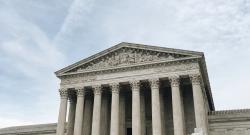
Today’s Supreme Court decision that federal courts have no ability to check extreme partisan gerrymandering is a stunning blow to our democracy. This decision represents an abdication of judicial responsibility to protect against constitutional violations.
"It’s also clear what we must do: restore the race-conscious protections of the Voting Rights Act and enact affirmative measures to expand ballot access across the country."
"On today’s anniversary, we encourage voters from all walks of life who have faced barriers to voting to visit WeVoteWeCount.org to share their story."
Baltimore’s campaign donors lack diversity across race, gender, and socioeconomic status. The Baltimore Fair Election Fund, designed with equity and community engagement at the forefront, can change that.
Women of color are generally underrepresented as campaign donors even though they vote at high rates, according to research by progressive think tank Demos.
While Demos celebrates the legislation’s strong mandate on emissions reductions, the governor’s exclusion of community investment mandates and labor standards prolongs the fight for climate justice in New York and nationwide.
“There was an assumption that the student debt problem was concentrated among those at for-profit colleges or predatory programs. Or it was seen as a problem with repayment and not necessarily with debt itself. That has shifted over the last couple of years.”