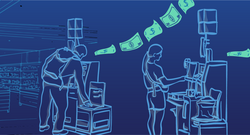
From high gas prices to unaffordable housing, families are struggling to make ends meet. The concentration of power in this country has sent our economy out of whack, but we know how to fix it.
Good care jobs are the foundation of a good care economy. Empowering care workers through better pay, stronger protections, and collective voice would improve care quality, reduce workforce shortages, and advance racial and economic equity.
What would a truly equitable tax code look like? Dēmos breaks down the congressional proposals that could shift resources away from billionaires and toward everyday people.
Black women are often the first to feel economic pressure and the last to recover. Their unemployment data is a clearer signal of economic health than any topline indicator.
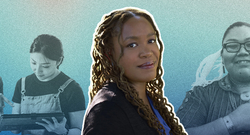
Charged with both honoring Dēmos’ legacy and looking to the future, current president Taifa Smith Butler closes the Presidents’ Series by reflecting on the present moment and what it calls us to do.
From protesting outside a courthouse to shaping policy inside the White House, former Dēmos president Sabeel Rahman learned a defining lesson during his tenure: transformational change must begin with people power.
Former Dēmos president Heather McGhee reflects on how the organization grew from a small experiment in policy advocacy into something more distinctive: a multi-issue “think and do” tank.
In the second piece of the series, Dēmos co-founder David Callahan takes us back to the late 1990s—a moment that appeared prosperous on the surface yet held deeper warning signs.