How Northern Virginia activists and community members are organizing to prevent one of the biggest corporations in the world from taking over the civic, social and political life of Northern Virginia and beyond.
With its purchase of OneMedical—and, even more recently, its purchase of iRobot, Amazon is able to harvest even more data, sound, and video. This has frightening implications for people’s civil and human rights.
“By shifting the focus of finance from private profits to the public welfare, public banks can begin to repair harms caused by longstanding discriminatory practices against Black and brown people.”
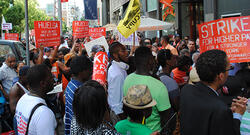
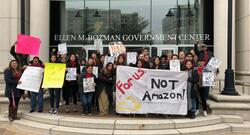
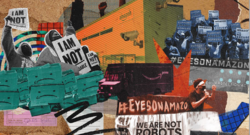
This case study follows the coalition For Us Not Amazon (FUNA) and members of the Athena Coalition as they organized to prevent one of the biggest corporations in the world from taking over the civic, social, and political life of Northern Virginia and beyond.
"Today's passage of the Inflation Reduction Act is a testament to the tireless organizing by Black and brown communities to elevate climate change and rising, unchecked corporate power as existential threats."